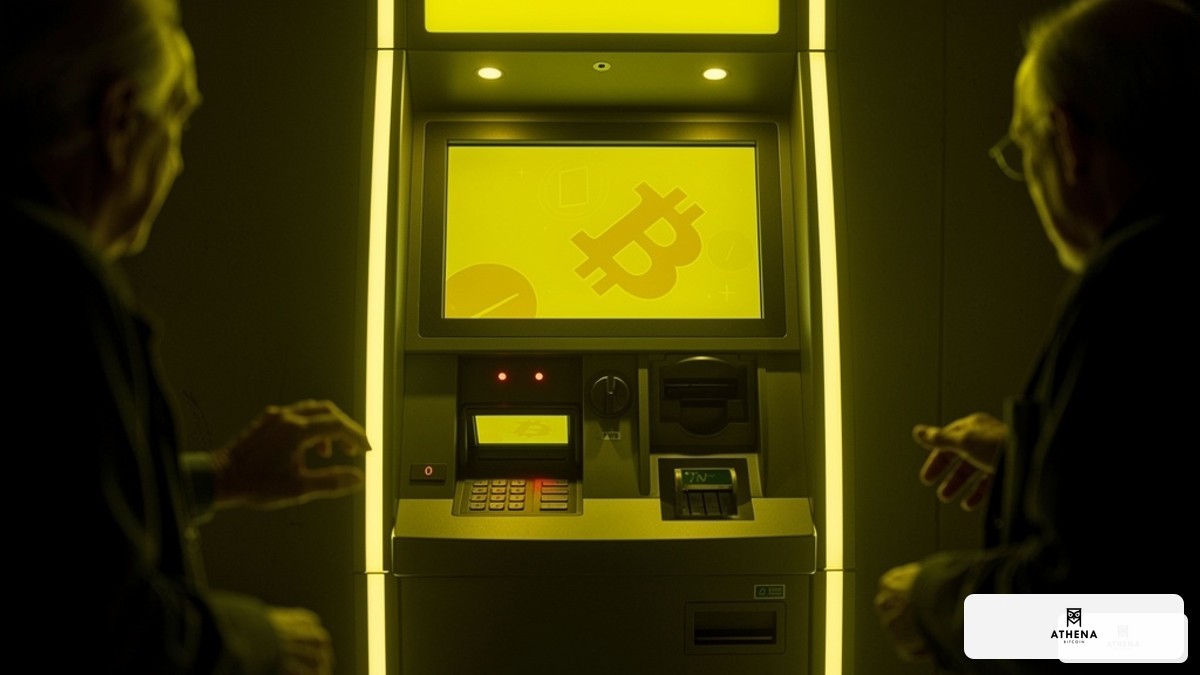
- DC AG alleges 93% of transactions on Athena's DC machines are products of fraud
- Hidden fees allegedly reaching 26% of transaction value charged to consumers
- Median victim age was 71 years in the DC Attorney General's complaint
- Stock price down 84% YTD following legal troubles and negative publicity
- Separate AML Software lawsuit alleges source code theft involving ~2,800 Bitcoin ATMs
Athena Bitcoin Global Inc., one of the largest Bitcoin ATM operators in the United States with approximately 3,600 locations, is currently facing multiple significant legal challenges that consumers and industry observers should be aware of.
DC Attorney General Consumer Protection Lawsuit
In early 2025, Washington D.C. Attorney General Brian Schwalb filed a consumer protection lawsuit against Athena Bitcoin containing serious allegations about the company's business practices.
Key Allegations in the DC AG Lawsuit:
- 93% of transactions on Athena's DC machines are alleged to be "the product of outright fraud"
- Hidden fees allegedly reaching up to 26% of transaction value
- Targeting of elderly consumers - the median age of alleged victims was 71 years
- Claims that Athena profited from scams carried out at its machines
The lawsuit alleges that Athena Bitcoin knowingly facilitated fraudulent transactions while charging excessive hidden fees to unsuspecting customers. The DC Attorney General's office has characterized the company's practices as harmful to consumers, particularly vulnerable elderly individuals.
Stock Price Impact
Following the legal troubles and negative publicity, Athena Bitcoin's stock price has experienced a significant decline, reportedly down 84% year-to-date. This dramatic drop reflects investor concerns about the company's legal exposure and reputational damage.
AML Software Intellectual Property Lawsuit
Separately from the DC AG action, Athena Bitcoin is facing intellectual property litigation from AML Software, an Illinois-based company that provides compliance software to the Bitcoin ATM industry.
AML Software Allegations:
- Athena allegedly conspired with Jordan Mirch (CEO of Taproot Acquisition Enterprises) to steal proprietary source code
- Claims involve alleged fraudulent acquisition of approximately 2,800 Bitcoin ATM kiosks from SandP Solutions
- AML Software alleges the source code transferred under a settlement agreement did not legally belong to Taproot or Athena
- Mirch is described as the "motivating force" behind the alleged scheme
Background on the Alleged Scheme
According to court filings, SandP Solutions was prohibited from operating Bitcoin ATMs in Ohio, making it difficult for the company to profit from its approximately 2,800 machines. The lawsuit alleges that Jordan Mirch, through Taproot Acquisition Enterprises, obtained SandP Solutions' Bitcoin ATMs "through fraudulent misrepresentations and other unlawful conduct."
Once allegedly in possession of the machines, Mirch reportedly negotiated with Athena Bitcoin to transfer both hardware and software. AML Software claims that Mirch hired an AML developer as a consultant in an effort to wrongfully obtain AML's existing copyrighted platform.
Connection to Bitcoin of America
Athena Bitcoin has reportedly acquired locations from Bitcoin of America, a now-defunct Bitcoin ATM operator whose CEO was convicted for operating unlicensed Bitcoin ATMs and benefiting from scams carried out at his machines. Bitcoin of America ceased operations in March 2023 following criminal charges.
The connection to Bitcoin of America has raised questions about the legitimacy of asset transfers and adds complexity to Athena's legal situation.
What This Means for Consumers
Consumers considering using Athena Bitcoin ATMs should be aware of these ongoing legal matters. While the allegations have not been proven in court, the multiple lawsuits from both government regulators and private parties suggest significant legal exposure for the company.
Consumer considerations:
- Be aware of all fees before completing transactions
- Consider alternative Bitcoin ATM operators with cleaner regulatory records
- Report any suspicious activity or unexpected fees to local consumer protection agencies
- Be especially cautious about unsolicited requests to send Bitcoin to unknown parties