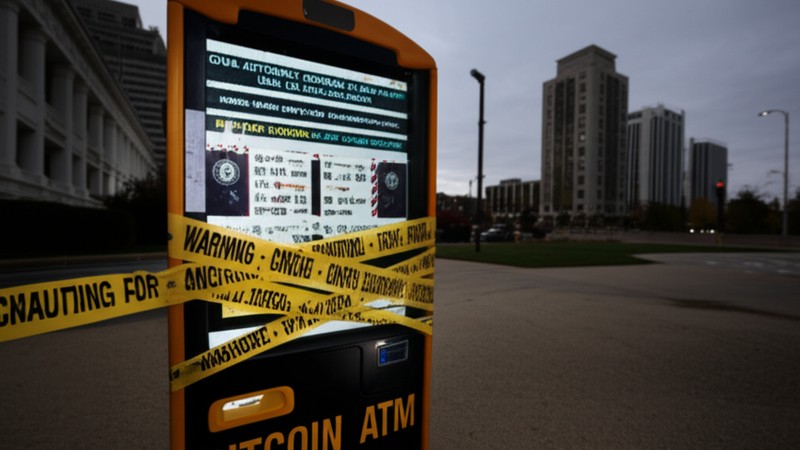
- $20 million+ in combined consumer losses from scams at Bitcoin Depot and CoinFlip ATMs in Iowa
- 2,400+ Iowa victims identified across both operators, majority over age 60
- 98.16% of Bitcoin Depot transactions in Iowa were identified as scam-related
- Hidden fees up to 23% charged without clear disclosure during transactions
- Iowa AG seeks permanent ban on both companies operating in the state
Iowa Attorney General Brenna Bird has filed consumer protection lawsuits against two of the nation's largest Bitcoin ATM operators, Bitcoin Depot and CoinFlip, alleging the companies facilitated over $20 million in scam losses while charging hidden fees as high as 23%.
The lawsuits, filed on February 26, 2025 in Polk County District Court, allege violations of the Iowa Consumer Fraud Act and seek to permanently ban both companies from operating in Iowa.
Combined Impact on Iowa Consumers:
- Over $20 million in total consumer losses from scams
- Over 2,400 Iowa victims identified across both operators
- Majority of victims over age 60
- Hidden fees ranging from 21% to 23%
Bitcoin Depot Allegations
The lawsuit against Bitcoin Depot, the largest Bitcoin ATM operator in the United States with over 8,000 locations, contains alarming statistics about the nature of transactions at their Iowa machines.
According to the Iowa AG's complaint, Bitcoin Depot charged hidden transaction fees of approximately 23% while failing to prevent fraudulent transactions at their kiosks. The complaint alleges the company had knowledge that their machines were being used predominantly for scam-related transactions.
Delaware Court Ruling
In a related development, a Delaware court denied Bitcoin Depot's request to reactivate their Iowa kiosks in March 2025, indicating that the court found merit in the state's consumer protection concerns.
CoinFlip Allegations
CoinFlip, the second-largest Bitcoin ATM operator in the United States with approximately 4,300 locations, faces similar allegations regarding their Iowa operations.
The complaint alleges CoinFlip charged hidden fees of approximately 21% and failed to implement adequate measures to prevent their machines from being used in fraud schemes targeting vulnerable consumers.
CoinFlip has denied the allegations, stating the company is "committed to compliance" and will defend itself in court.
Victim Stories
The lawsuits detail heartbreaking stories of Iowa residents who lost significant sums to scammers using Bitcoin ATMs.
"A retired registered nurse from central Iowa lost $25,000 to a romance scammer who manipulated her into sending money through Bitcoin ATMs. The transactions occurred despite warnings that should have triggered intervention from the ATM operators."
- From Iowa AG complaint filing
The lawsuits note that the majority of victims were over 60 years old, a demographic particularly vulnerable to romance scams, impersonation fraud, and tech support schemes.
Pattern of State Enforcement
Iowa's action follows a growing pattern of state attorneys general taking enforcement action against Bitcoin ATM operators. Washington D.C., Minnesota, and other states have also filed or are considering similar consumer protection actions against major operators.
Industry-Wide Concerns:
- The FTC reported $114 million in Bitcoin ATM scam losses in 2023
- Multiple states are investigating operator practices
- Transaction fees at some machines can exceed 20%
- Industry lacks standardized consumer protection requirements
What Consumers Should Know
If you are considering using a Bitcoin ATM, be aware of the following:
- Verify all fees before transacting - Ask for a complete fee breakdown before inserting cash
- Never send Bitcoin to unknown parties - Government agencies, utilities, and legitimate businesses never demand payment via Bitcoin ATM
- Be suspicious of urgency - Scammers create artificial time pressure to prevent victims from thinking clearly
- Report suspicious activity - Contact your state attorney general's office if you encounter fraud
Looking Ahead
The Iowa lawsuits represent a significant escalation in regulatory scrutiny of the Bitcoin ATM industry. As cases proceed through the courts, the outcomes could establish important precedents for operator liability and consumer protection standards nationwide.
Both Bitcoin Depot and CoinFlip have been prohibited from operating in Iowa pending resolution of these cases. Consumers with existing transactions or complaints are encouraged to contact the Iowa Attorney General's Consumer Protection Division.