
The Daisy Chain: How Bitcoin of America's Collapsed Fleet Became Athena Bitcoin's Growth Engine
When federal prosecutors dismantled Bitcoin of America in March 2023 — seizing machines, arresting founder Sonny Meraban, and shutting down the fourth-largest Bitcoin ATM operator in the country — over 2,600 ATMs across 35 states didn't disappear. They moved. Court filings, SEC disclosures, and lawsuit exhibits now trace a pipeline through which nearly 2,800 machines, their operating software, and their location contracts were systematically funneled through intermediaries into Athena Bitcoin Global (OTCID: ABIT) — whose revenue surged 160% in 2023, the precise year the transfers began. This is not a story about one bad operator being replaced by a better one. It's a story about how the Bitcoin ATM industry's physical and software infrastructure cycles through corporate shells in ways regulators have failed to track — and how Athena, now facing its own devastating regulatory reckoning, absorbed the assets of a convicted operator while the DC Attorney General later found 93% of deposits at Athena's D.C. machines were linked to fraud. As of today, Athena lists 3,711 locations on its website. If the approximately 2,800 machines flowing through the Taproot pipeline represent the former Bitcoin of America fleet, that is roughly 75% of Athena's current network — not a marginal acquisition, but the foundation of the entire operation.~2,800
Bitcoin of America ATMs Transferred via Pipeline
~75%
Of Athena's Current 3,711 Locations (Alleged)
93%
Athena DC Deposits Linked to Fraud (DC AG)
$9M
Athena Paid to Terminate Taproot Relationship
Timeline: From Indictment to 10-K
MAR 2023
Ohio indictment
BoA shutdown
BoA shutdown
APR 2023
Taproot subleases
800 BTMs to Athena
800 BTMs to Athena
JUN 2024
PSBC transfers
code to Athena
($5.5M)
code to Athena
($5.5M)
SEP 2025
DC AG lawsuit
AML filing
$9M termination
AML filing
$9M termination
MAR 2026
10-K filed
Revenue: -17.8%
Revenue: -17.8%
The Collapse of Bitcoin of America
Sonny Meraban built Bitcoin of America from a single Chicago BTM in 2015 into a 2,600-machine network spanning 35 states. The growth was fueled by approximately 20% transaction fees — among the highest in the industry — that generated an estimated $50 million in annual fee revenue on at least $250 million in 2022 transaction volume. Law enforcement described the operation as a funnel for organized crime: victims' funds, particularly from elderly targets in Ohio, flowed to criminal groups in Russia and other foreign countries. On March 2, 2023, a Cuyahoga County grand jury unsealed a 58-count indictment against Meraban's corporate vehicle S&P Solutions, Meraban himself, his 75-year-old father Reza Mehraban, and company attorney William Suriano. The charges included money laundering, receiving stolen property, unlicensed money transmission, and engaging in a pattern of corrupt activity. Prosecutors and law enforcement painted a picture of an operation that was not merely negligent but structurally accommodating to fraud. U.S. Secret Service Special Agent in Charge Blaine Forschen stated that "because of their lack of money-laundering safeguards, criminals around the world have utilized the company to receive victim payments and launder illicit funds." Cuyahoga County Economic Crime Supervisor Andrew Rogalski was more specific: scammers were directing victims — often elderly or otherwise vulnerable — to specifically go to Bitcoin of America ATMs, a pattern that suggests the machines were singled out for their weak customer protection controls. As other operators implemented stronger fraud prevention measures, scammers steered victims toward operators who cut corners. The DC Attorney General's later findings about Athena's machines echo the same dynamic: the AG alleged 93% of deposits at Athena's D.C. kiosks were fraud-linked, suggesting the underlying fraud dynamics may have traveled with the hardware and locations. By November 2023, Meraban pleaded guilty to lesser charges and was sentenced to five years of probation, forfeiting $3.9 million in Bitcoin and a cigarette speedboat. Bitcoin of America announced it had ceased operations. But over 2,600 machines sitting on active location contracts across 35 states represented serious value. The question was never whether they would stay dark. It was who would turn them back on.
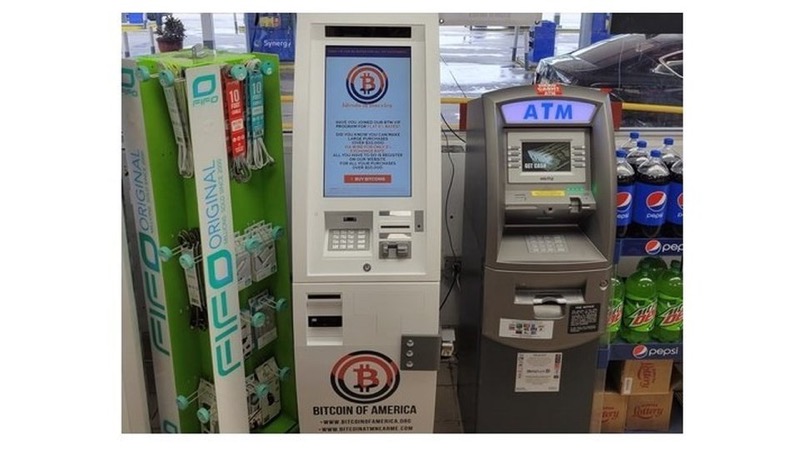
The Five-Player Pipeline
Court filings across multiple jurisdictions reveal a chain of five interconnected actors through which Bitcoin of America's assets moved into Athena's network:The Chain of Custody:
- Sonny Meraban / S&P Solutions — Bitcoin of America founder; created the ATM source code in 2020; transferred IP rights to AML Software in 2021; pleaded guilty November 2023; resurfaced as AML Software's principal
- AML Software, Inc. — Illinois-based copyright owner of the BTM operating software born inside Bitcoin of America's operations
- Ryan Pineo / Bitom Labs — AML's former President/CTO (June 2021–February 2023); founded Bitom Labs one month before Bitcoin of America's collapse; allegedly transferred AML's code to Taproot entities without authorization
- Jordan Mirch / Taproot entities — CEO of at least four interconnected LLCs sharing a Miami Beach P.O. Box; allegedly acquired Bitcoin of America's ~2,800 machines and brokered both hardware and software to Athena
- Athena Bitcoin Global — Absorbed the fleet via a series of equipment financing agreements starting just weeks after Bitcoin of America's shutdown
Meraban's Software Pivot
What has not been widely reported is what Meraban did after his conviction. WhatsApp messages filed as exhibits in AML Software's September 2025 federal lawsuit against Athena place Meraban as AML's principal — actively strategizing about software licensing while still navigating his Ohio criminal case. In April 2023, Meraban messaged: "I will die with my software for 1m... 2.5 really." In June 2023, he described his preferred licensing model. In January 2025, when approached about selling the intellectual property outright, he refused: "I don't want to sell it... I would never sell it." The lineage is direct: S&P Solutions created the underlying ATM source code in 2020, then transferred all intellectual property rights to AML Software in 2021. Meraban had not left the Bitcoin ATM business. He had pivoted into the software layer that makes the business run.The Nine-Day Code Transfer
The alleged mechanism for moving AML's software into Athena's hands is documented in AML Software's complaint with a timeline that, as the filing implies, strains credulity:Timeline of Alleged Software Transfer:
- June 1, 2024: Bitom Labs (Pineo's company) signs a "Consulting Agreement" with PSBC LLC (controlled by Mirch) to deliver a "Bitcoin ATM software platform" by June 10 — nine days later — for up to $2 million
- June 10, 2024: PSBC receives the code
- June 19, 2024: PSBC assigns "all right, title and interest" in the code to Athena Bitcoin — in perpetuity — for $5.5 million, nearly triple what PSBC owed Bitom Labs
The Hardware Pipeline
The software was only half the transaction. Mirch's Taproot entities simultaneously moved Bitcoin of America's physical machines into Athena's network through a series of escalating agreements: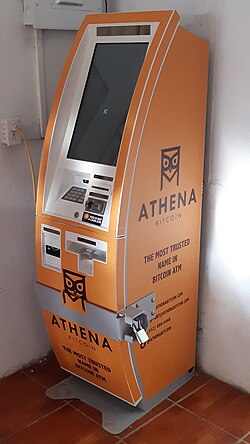
Taproot-Athena Equipment Pipeline:
- April 2023: Sublease of 800 BTMs on 3-year, revenue-based terms — just weeks after Bitcoin of America's Ohio shutdown
- November 2023 – May 2024: Four successive equipment financing agreements transferring title of additional ATMs to Athena
- October 2024: Omnibus Refinancing Agreement superseding prior deals
- February 2025: Location Referral Agreement — Taproot identifies merchant locations for 0.5% of gross BTC revenue
- September 4, 2025: Release & Termination Agreement — $9,031,578 total; Athena receives "immediate ownership of ATMs and source code"
The Revenue Correlation
Athena's financial trajectory maps precisely onto the Taproot pipeline. The company's annual reports show a revenue arc that rises sharply as the former Bitcoin of America fleet flows in — and falls as the relationship terminates and regulatory pressure mounts:$73.7M
FY 2022 Revenue (Pre-Pipeline)
$191.8M
FY 2023 Revenue (+160%)
$285.4M
FY 2024 Revenue (Peak)
$234.6M
FY 2025 Revenue (-17.8%)
Athena Bitcoin Revenue by Fiscal Year
Source: Athena Bitcoin Global SEC filings (10-K)
Pre-pipeline
$73.7M
FY 2022
← Taproot begins
$191.8M
+160%
FY 2023
Code acquired
$285.4M
Peak
FY 2024
DC AG / Termination
$234.6M
-17.8%
FY 2025
The Compounding Legal Exposure
AML Software's Copyright Case
Case: AML Software, Inc. v. Athena Bitcoin, Inc. et al
Court: U.S. District Court, Southern District of Florida
Filed: September 23, 2025
Case No.: 1:2025cv24378
Legal Basis: 17 U.S.C. § 204(a) (Copyright Act); trade secret misappropriation
The Source Code Chain of Custody Problem
Compounding Athena's exposure is a separate copyright infringement action by Genesis Coin — one of the world's largest Bitcoin ATM software platforms — filed in February 2025 in the same court against AML Software, S&P Solutions, Ryan Pineo, and Sonny Meraban personally. Genesis alleged that Pineo and Meraban offered Bitcoin ATMs running unauthorized copies of Genesis Coin's proprietary user interface code. This creates a layered intellectual property problem:The IP Chain of Exposure:
- Genesis Coin alleges AML Software's code itself was built on copied Genesis Coin UI elements
- AML Software claims sole ownership of its code and says it never authorized the transfer to Athena
- Athena paid $5.5 million for code that AML says Taproot had no right to sell
- Even if Athena's "derivative work" defense prevails, that derivative sits on a potentially infringing foundation per the Genesis Coin claim
The Regulatory Front
The DC Attorney General's September 2025 lawsuit found that 93% of deposits at Athena's D.C. machines were linked to fraud, the median victim age was 71, and average losses were approximately $8,000 per transaction. Athena was also alleged to have operated in D.C. without a money transmission license — the same licensing violation at the core of Bitcoin of America's Ohio indictment. Athena simultaneously faces a Missouri Attorney General Civil Investigative Demand (December 2024) as part of a multi-operator regulatory crackdown, a TCPA class action in Florida, and a consumer class action under Florida's Deceptive and Unfair Trade Practices Act. The company's 10-K filing identifies compliance risk as material, warning about "our ability to stay in compliance with laws and regulations that currently apply or become applicable to our business both in the United States and internationally" and "our ability to raise sufficient capital to support our operations and satisfy outstanding liabilities and judgments."What This Means for Consumers Who Used Athena or Bitcoin of America Machines
If you used a Bitcoin of America or Athena Bitcoin ATM:
- Bitcoin of America victims: If you lost money at a Bitcoin of America machine and never received restitution, the active Cook County litigation (2025L008215) and AML Software federal case may produce discovery that identifies additional victims. Contact your state attorney general's consumer protection division.
- Athena Bitcoin users: If you believe you were charged undisclosed fees or were the victim of a scam facilitated through an Athena machine, file a complaint with both the FTC and your state attorney general. The DC AG lawsuit alleges Athena required victims to sign confidentiality releases in exchange for capped $7,500 refunds — such agreements may not be enforceable depending on your state.
- Elderly consumers: The median victim age in both the Bitcoin of America and Athena investigations was 70+. If an elderly family member has made large or repeated Bitcoin ATM transactions, review their bank statements immediately.
- Review our consumer protection resources for filing guidance and scam warning signs.
What This Means for Operators
This investigation is a warning shot for operators tempted to shortcut compliance and asset diligence in pursuit of quick transactional revenue instead of building on solid foundations. The daisy chain from Bitcoin of America to Athena shows how hardware, software, and merchant locations can carry forward not just revenue opportunity, but legal, regulatory, and reputational baggage. According to AML Software and related filings, Athena was not a passive bystander to this chain. AML's complaint alleges Athena knew the code PSBC and Taproot planned to convey "belonged to AML," while Athena's own settlement with Taproot acknowledges that some machines it was buying were subject to a "cloud on title" arising from S&P Solutions' UCC filings and lawsuit. Taken together, the record depicts a publicly traded operator willing to scale rapidly on assets emerging from a well known embroiled estate — hardware, software, and locations still entangled in criminal, civil, and IP disputes — rather than insisting on clean provenance before integrating them into its network. To put the scale in context: Athena currently lists 3,711 locations. The approximately 2,800 machines alleged to have flowed through the Taproot pipeline from the former Bitcoin of America fleet represent roughly 75% of Athena's present network. Even accounting for machines that were non-operational, redundant, or eventually decommissioned, the former Bitcoin of America assets were the foundation of Athena's growth story — not a supplement to it. The pattern is not isolated to this chain. In a separate dispute, Chicago Atlantic has alleged in Florida litigation that Bitstop improperly shifted collateralized assets out of Powercoin — a borrower Chicago Atlantic held a lien against — and used those assets to build Bitstop's own Bitcoin ATM footprint, triggering a fight over who truly owns the underlying machines and revenue. That case, like the AML and Taproot matters, underscores that lenders and secured creditors are now willing to chase BTM hardware through shell entities and asset shuffles, not just write off losses.Key implications for operators:
- Shortcuts now show up later in court. Deals that prioritize speed and headline ATM counts over title checks, IP assignments, and licensing can surface years later as "cloud on title" disclosures, copyright suits, and creditor lawsuits. Athena's $9 million termination payment and $5.283 million extinguishment loss are the tangible cost of this approach.
- Buying from embroiled estates is high-risk by default. Fleets, code, and location contracts tied to criminally charged, insolvent, or heavily litigated operators should be treated as presumptively high-risk assets until proven otherwise through documentation, not assurances. S&P Solutions' UCC filings against Taproot — disputing title to the very machines Taproot was selling — should have been a dealbreaker, not a footnote.
- Regulators and creditors are starting to follow the machines, not just the logos. As the Athena and Bitstop matters suggest, authorities and lenders are increasingly focused on patterns of fraud, fee opacity, and collateral stripping at specific kiosks, regardless of which brand's sticker is currently on the metal. The DC AG's finding that 93% of Athena's D.C. deposits were fraud-linked echoes the language used against Bitcoin of America in Ohio — suggesting that the underlying fraud dynamics traveled with the hardware.
- Software licensing carries federal IP risk. Running code without a valid copyright transfer can expose operators to federal litigation — even if they paid a third party millions of dollars for it in apparent good faith. The Copyright Act's written-transfer requirement under 17 U.S.C. § 204(a) is unforgiving.
- State AGs are coordinating across jurisdictions. Athena faces enforcement from DC, Missouri (December 2024 CID), California, and multiple private lawsuits simultaneously. Operators can review the full landscape of active enforcement on our operators directory.